Designing the Windfalls
Linda Shad•5/19/2025
Design Philosophy
I’m going to break the ice here and talk about my fixation with socioeconomic class.
Why is it so imperative that half the cast is rolling in dough while the other half is struggling to pay rent?
Well.
What better way to explore emotions than by sitting squarely in the grueling discomfort of financial inequality? :)
Being broke is an emotional experience. So is being successful. Scarcity and abundance might be the two most powerful triggers we’ve got. We’re all watching the same shows and playing the same games while living wildly different realities, and no matter where you land, you still wake up with your own demons.
In all the ways the Freshmen were an exploration of scarcity, the Windfalls are a deep dive into the psychology of abundance. Building a company is hard. Putting your best work into the world might be even harder. And as much as my younger self would refuse to admit it, it might actually be harder to take care of yourself, set boundaries, and aim high than to wallow and blame the world.
So yes, the Windfalls are here to flex. They also carry the pressure of staying on top, and the weird numbness that comes with getting what you thought you wanted. Their Voidpets, Greed, Pride, Lust and Sloth, stand for the complicated parts of adult responsibility: earning your keep, honoring your agency, minding your ego, and letting yourself rest.
And of course, there’s gotta be a reason the Freshmen feel so fired up, depressed, and green with envy, right?
Why is it so imperative that half the cast is rolling in dough while the other half is struggling to pay rent?
Well.
What better way to explore emotions than by sitting squarely in the grueling discomfort of financial inequality? :)
Being broke is an emotional experience. So is being successful. Scarcity and abundance might be the two most powerful triggers we’ve got. We’re all watching the same shows and playing the same games while living wildly different realities, and no matter where you land, you still wake up with your own demons.
In all the ways the Freshmen were an exploration of scarcity, the Windfalls are a deep dive into the psychology of abundance. Building a company is hard. Putting your best work into the world might be even harder. And as much as my younger self would refuse to admit it, it might actually be harder to take care of yourself, set boundaries, and aim high than to wallow and blame the world.
So yes, the Windfalls are here to flex. They also carry the pressure of staying on top, and the weird numbness that comes with getting what you thought you wanted. Their Voidpets, Greed, Pride, Lust and Sloth, stand for the complicated parts of adult responsibility: earning your keep, honoring your agency, minding your ego, and letting yourself rest.
And of course, there’s gotta be a reason the Freshmen feel so fired up, depressed, and green with envy, right?
Enter the Windfalls.
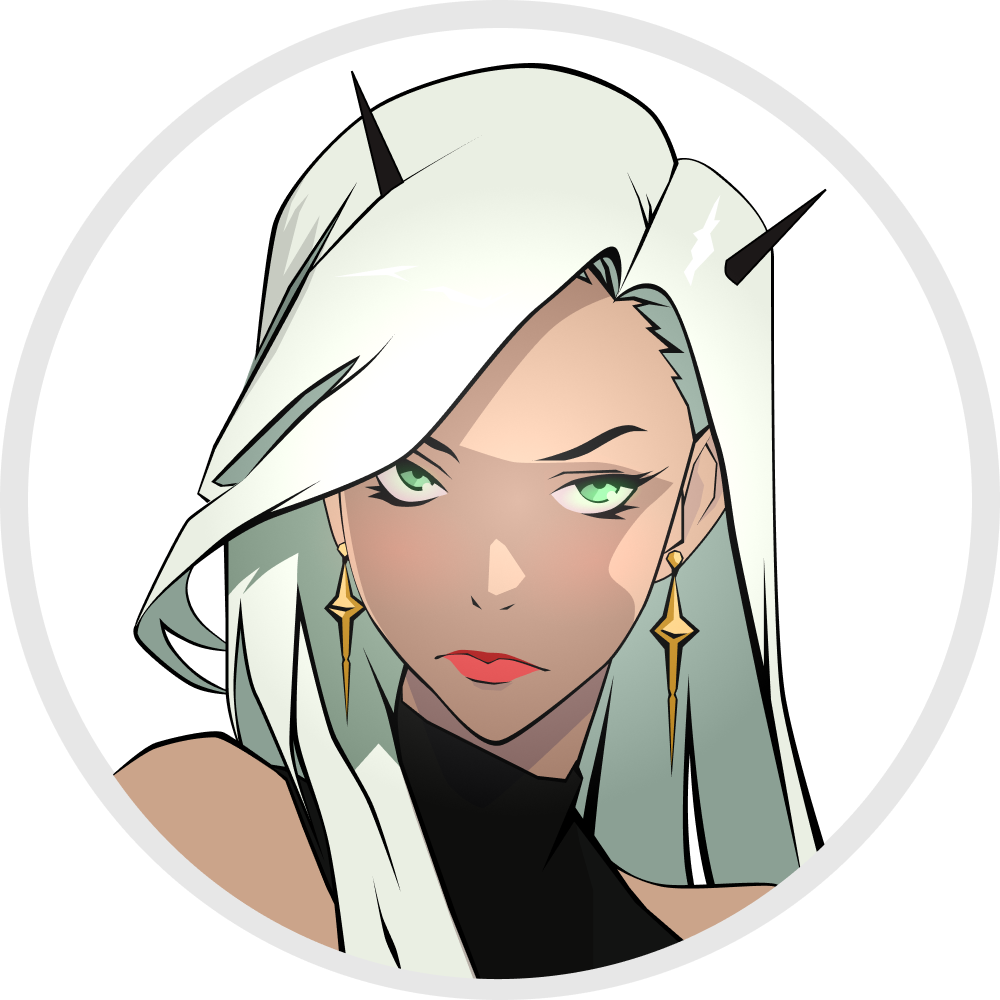
Pandora
Pandora
-The Girlboss-
Pride

Promise
Promise
-The Capitalist-
Greed
Pecunia
Pecunia
-The Scammer-
Sloth
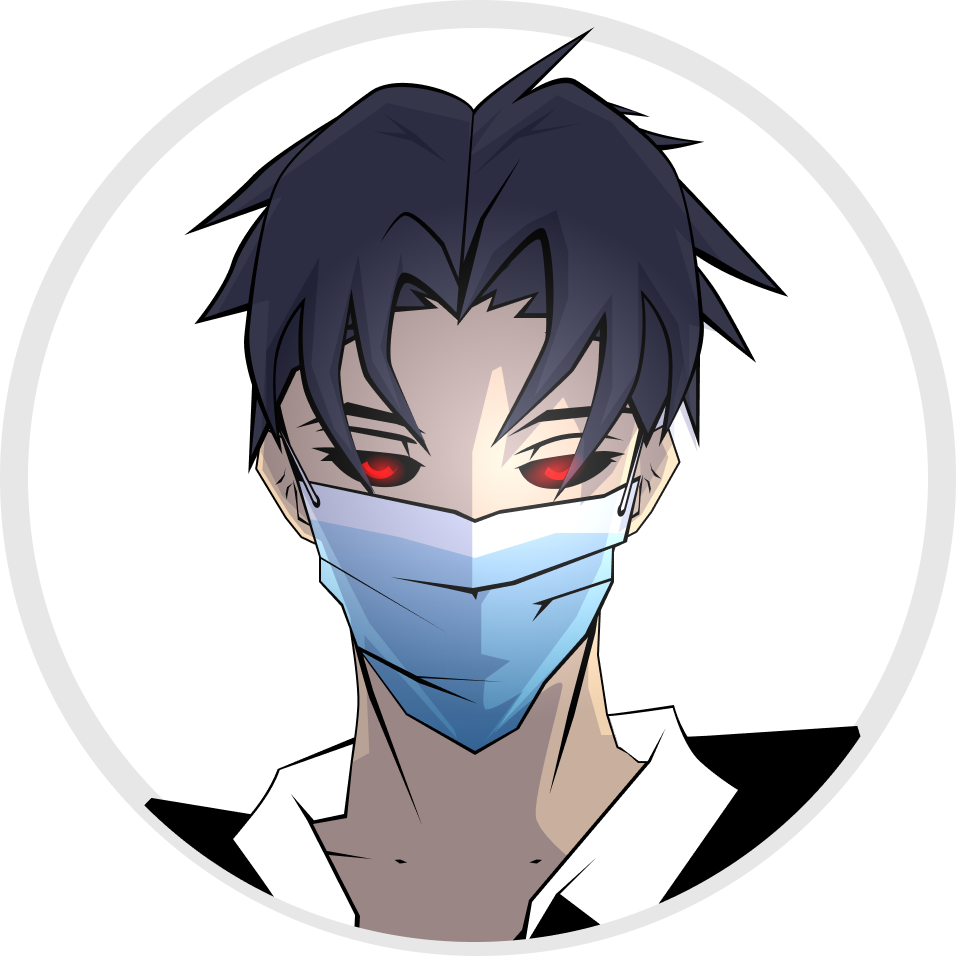
Volo
Volo
-The Philanthropist-
Lust
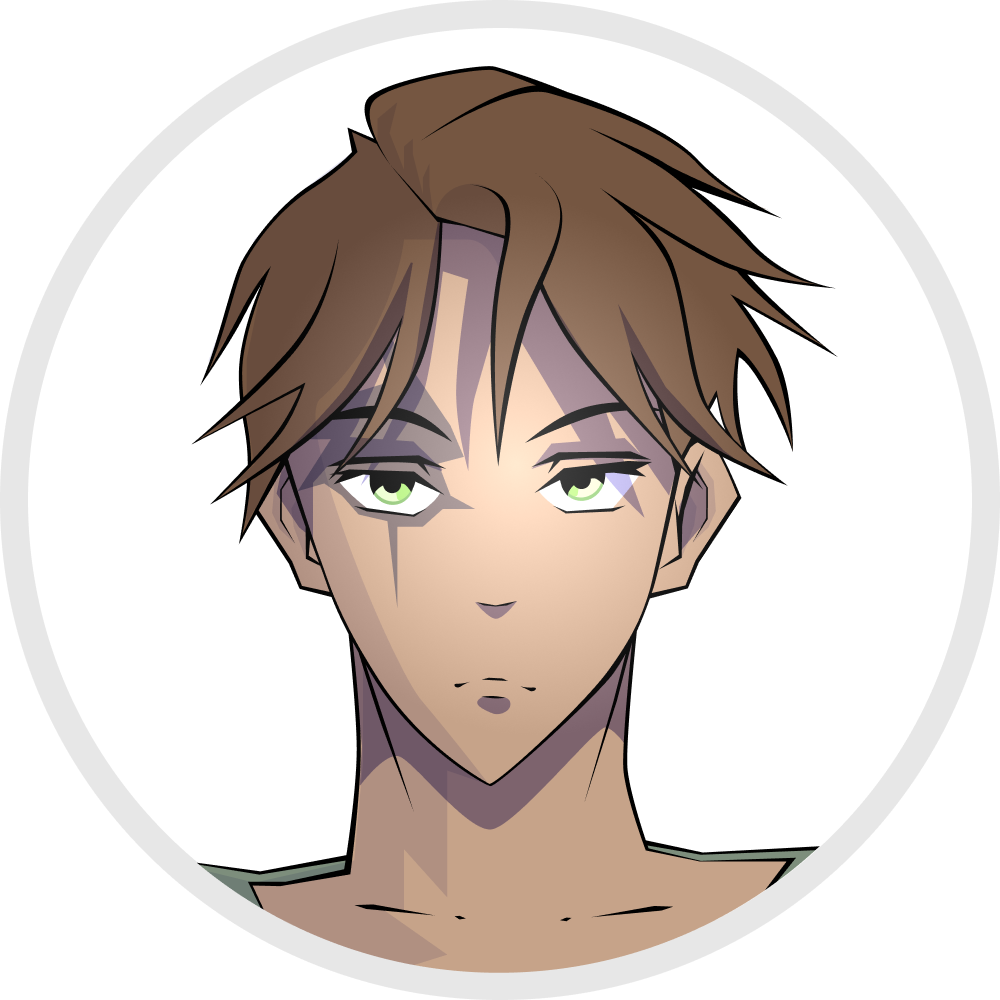
Luden
Luden
-The Cursed-
Cringe
They’re all prodigies. (At least Pandora says so. Luden would disagree.)
Maybe orphaned, maybe mistreated, maybe just unsupervised minors with a talent for murder. Either way, it’s not your problem.
 Anyways.
In this family, Greed is solved with money and loneliness with fame. Sloth becomes a business model through strategic arbitrage. Lust isn’t a problem if everyone else is obsessed with you. And Pride? Addressed with total board control, of course.
Native to a layer overflowing with Void Matter and free of government regulation, they ace their classes and skyrocket to success by bringing unchecked capitalism to a dying economy.
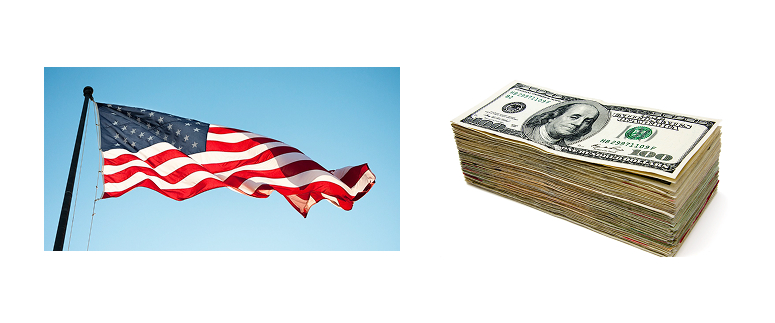
They’re designed to toe the line between American Dream and American Dynamism. It’s unclear if they look diverse or are just rocking luxury spray tans. Children of immigrants or celebrities... or both.
Whether you see them as underdogs or villains, they’ve survived enough to take care of themselves and each other, and they bring that same energy to building their megacorp.
Maybe orphaned, maybe mistreated, maybe just unsupervised minors with a talent for murder. Either way, it’s not your problem.
COLOR PALETTE
Here's their color palette.Anyways.In this family, Greed is solved with money and loneliness with fame. Sloth becomes a business model through strategic arbitrage. Lust isn’t a problem if everyone else is obsessed with you. And Pride? Addressed with total board control, of course.
Native to a layer overflowing with Void Matter and free of government regulation, they ace their classes and skyrocket to success by bringing unchecked capitalism to a dying economy.
They’re designed to toe the line between American Dream and American Dynamism. It’s unclear if they look diverse or are just rocking luxury spray tans. Children of immigrants or celebrities... or both.
Whether you see them as underdogs or villains, they’ve survived enough to take care of themselves and each other, and they bring that same energy to building their megacorp.
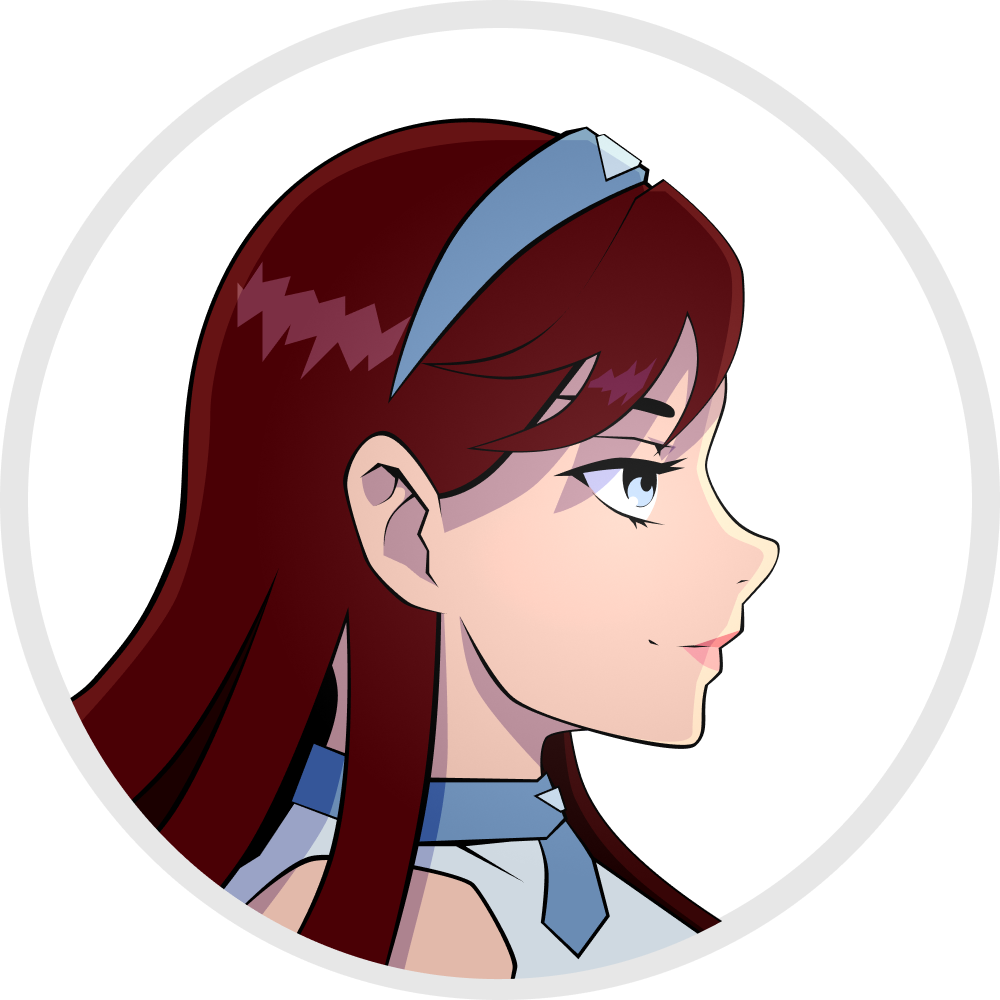
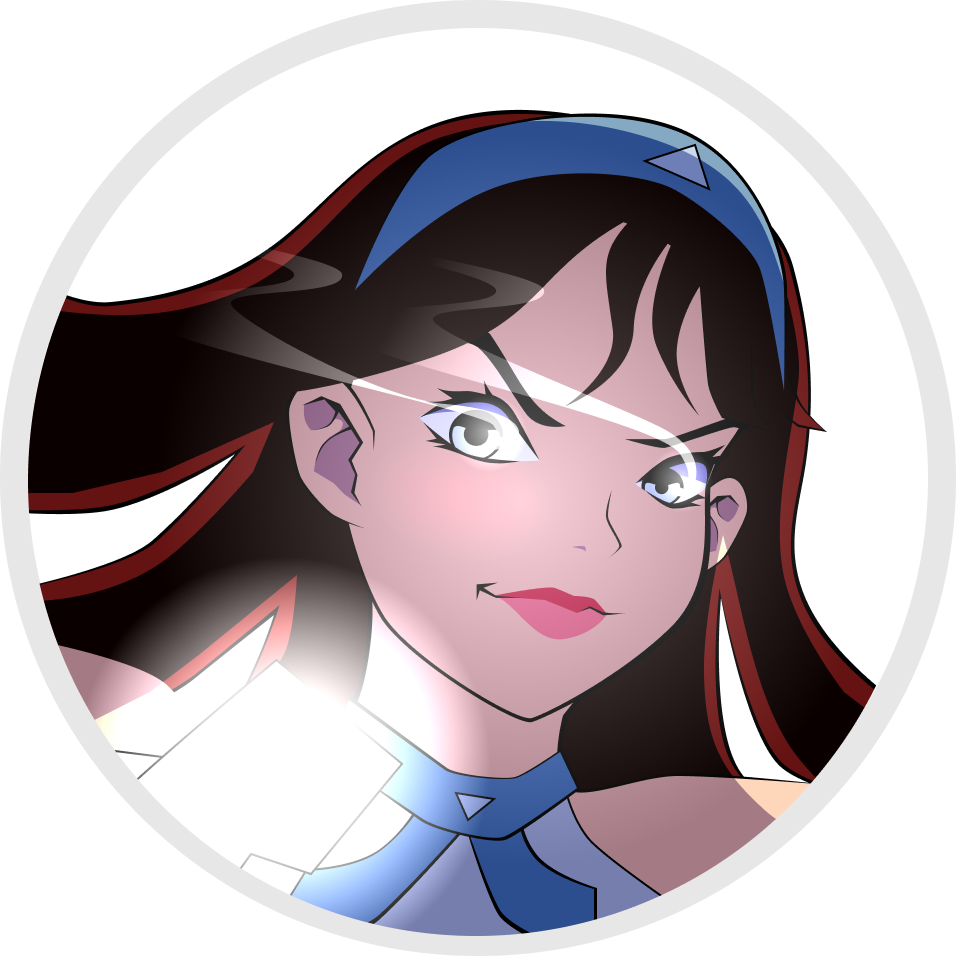
1. Pandora, the girlboss.
COLORS
- Steel blue → her calculated, corporate exterior.
- White → her need to be seen as good and morally above reproach.
- Pink and red → the part of her that still hopes to be liked. The approachable side of her power.
NAME
You might know Pandora from Greek mythology: the woman who opened the box that unleashed all the world’s evils. Fitting, given the sinful monsters her family keeps.The name also translates to something between “all-gifted” and “all-giving,” which suits Pride. Pride as noble and selfless, vs. pride as self-inflated entitlement.
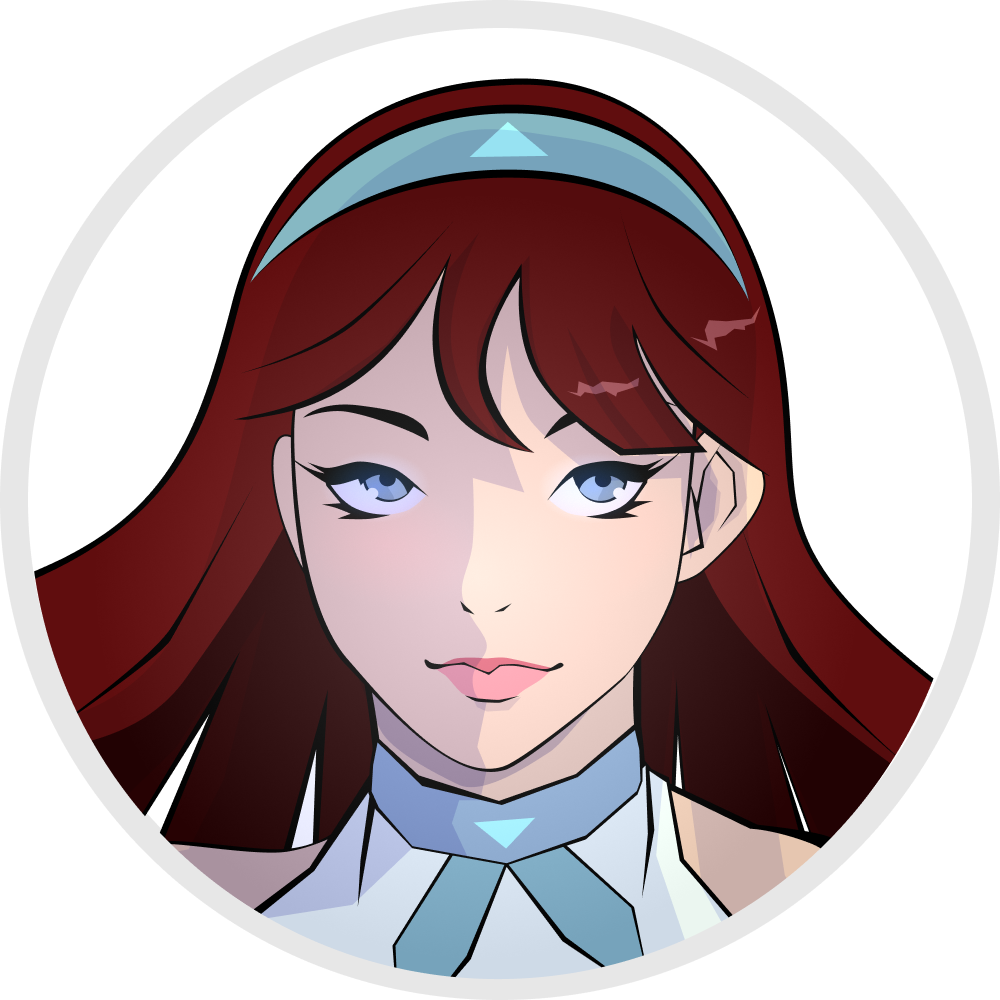
2. Promise, the capitalist.

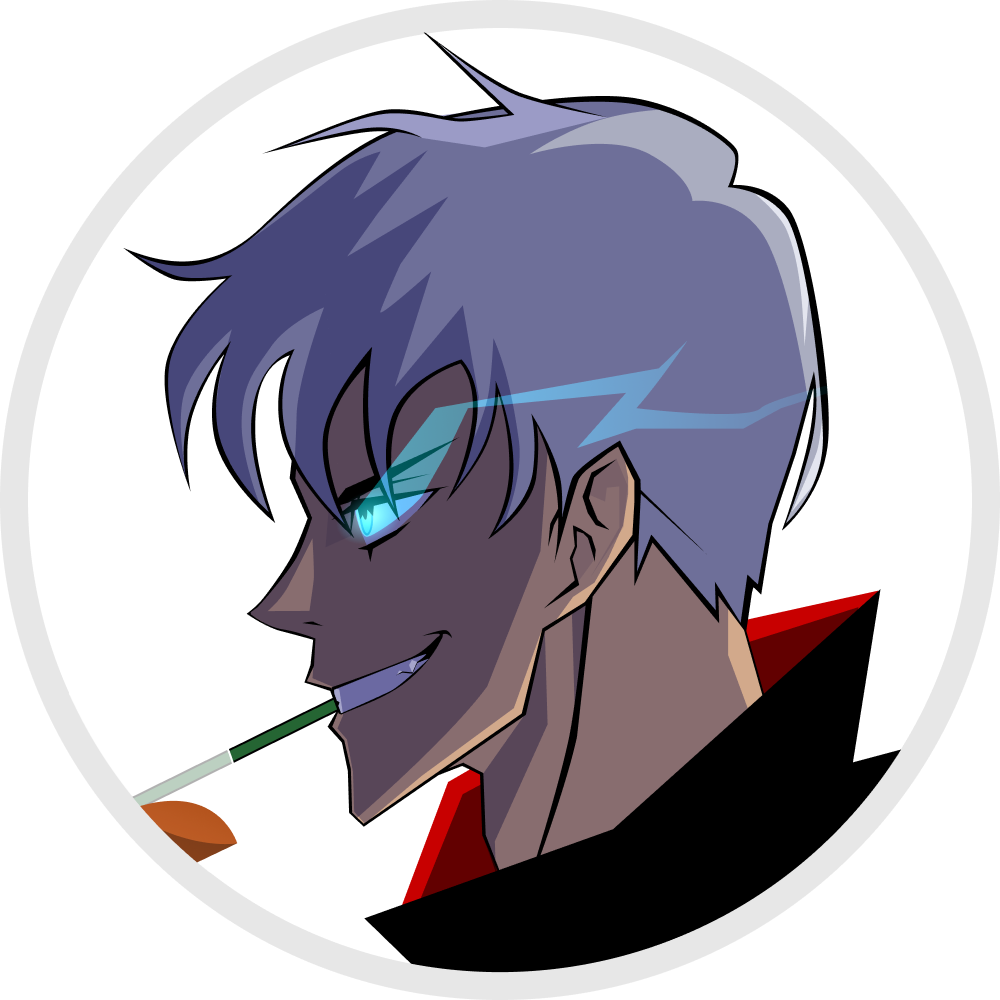
As the second eldest, he mirrors Pandora with her palette flipped.
Promise assumes everyone trusts him, and he talks like every outcome is inevitable. He’s the function everything else waits on, and the risk you take when you build around something you hope will deliver.
His last name is Windfall. And he says he’ll deliver, so I’m holding him to it.
COLORS
- Blood red → dominance and visibility.
- Electric blue → modernity, coldness, quick thinking.
- Bleach white → his hair and his teeth. Artificial perfection.
- Industrial black → he doesn’t care about keeping a clean reputation.
MOTIF: WHITE
On Pandora, white is perfection as purity. On Promise, it’s the specific kind of flawlessness money (and vanity) buys.NAME
In JavaScript, a Promise handles asynchronous operations, things that don’t finish right away. You run the code, send it out, and wait. It might resolve, but it also might not.Promise assumes everyone trusts him, and he talks like every outcome is inevitable. He’s the function everything else waits on, and the risk you take when you build around something you hope will deliver.
His last name is Windfall. And he says he’ll deliver, so I’m holding him to it.
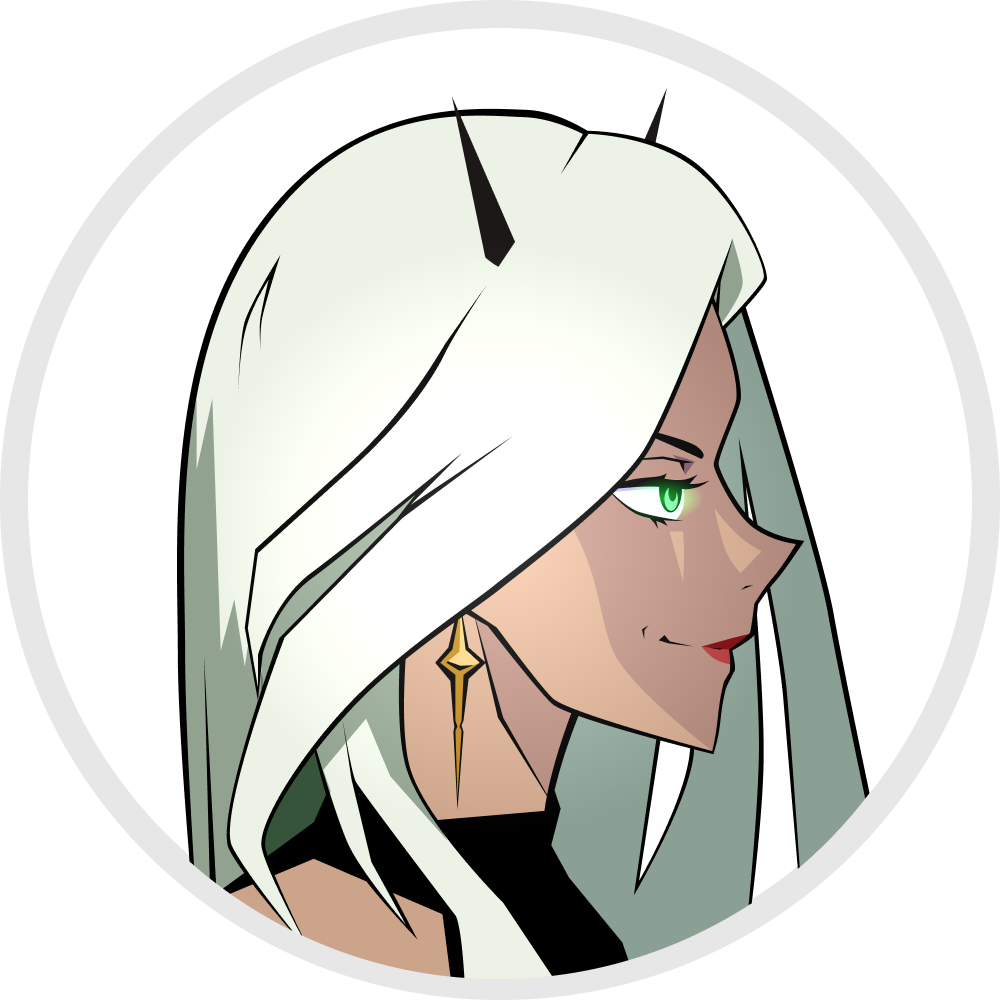
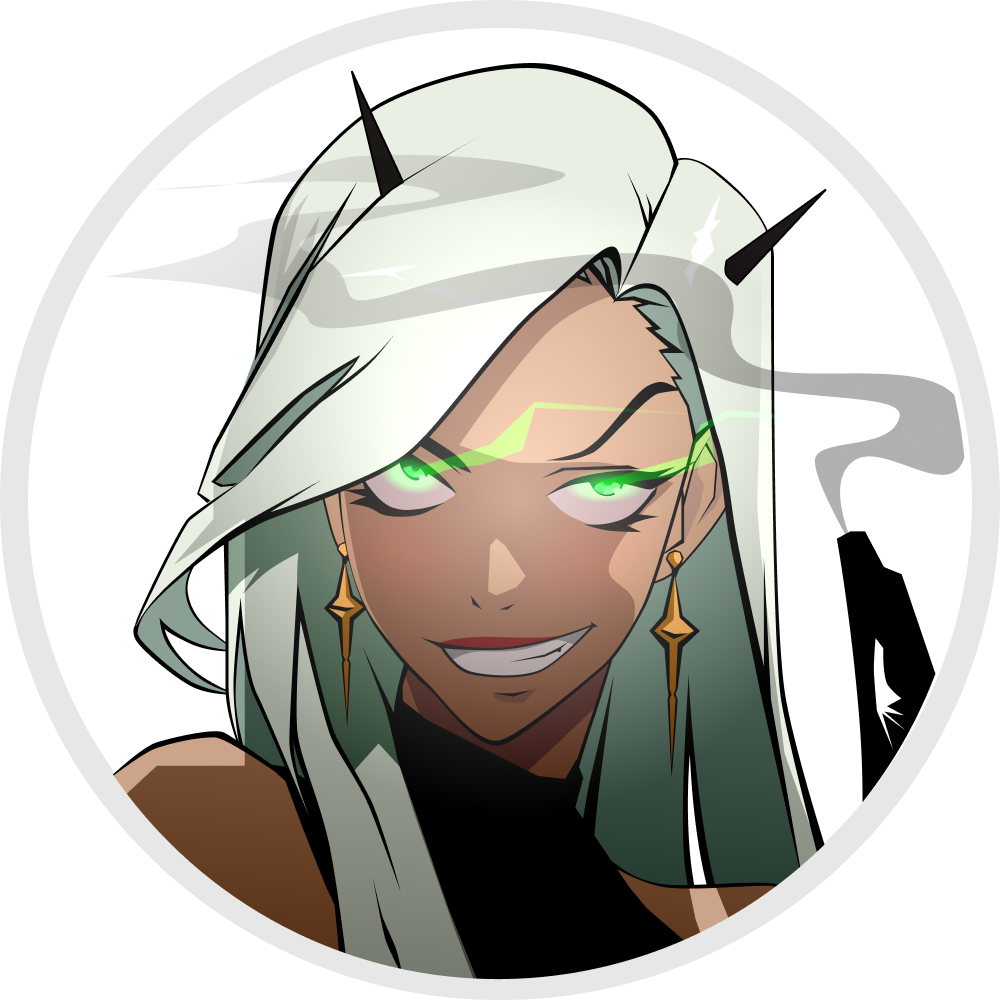
3. Pecunia, the scammer.
COLORS
- Black and white → shared by all four siblings.
- Green and gold → for cash money, clearly.
MOTIF: ACCENT COLORS
Promise’s accents are red and blue, the loud primary colors of American audacity. Pecunia’s are green and gold, the colors of currency, which mostly sit still and accumulate value.NAME
Pecunia is Latin for money. Specifically the word for cash—not earnings, or hustle, or anything of the sort.As the third child she gets Sloth, and her version of it is investing. She places bets, buys companies, flips them, and leaves before the drama starts. Yes, it might seem lazy, but that’s kind of the point. Why wouldn’t you want your money to work on your behalf?
4. Volo, the philanthropist.

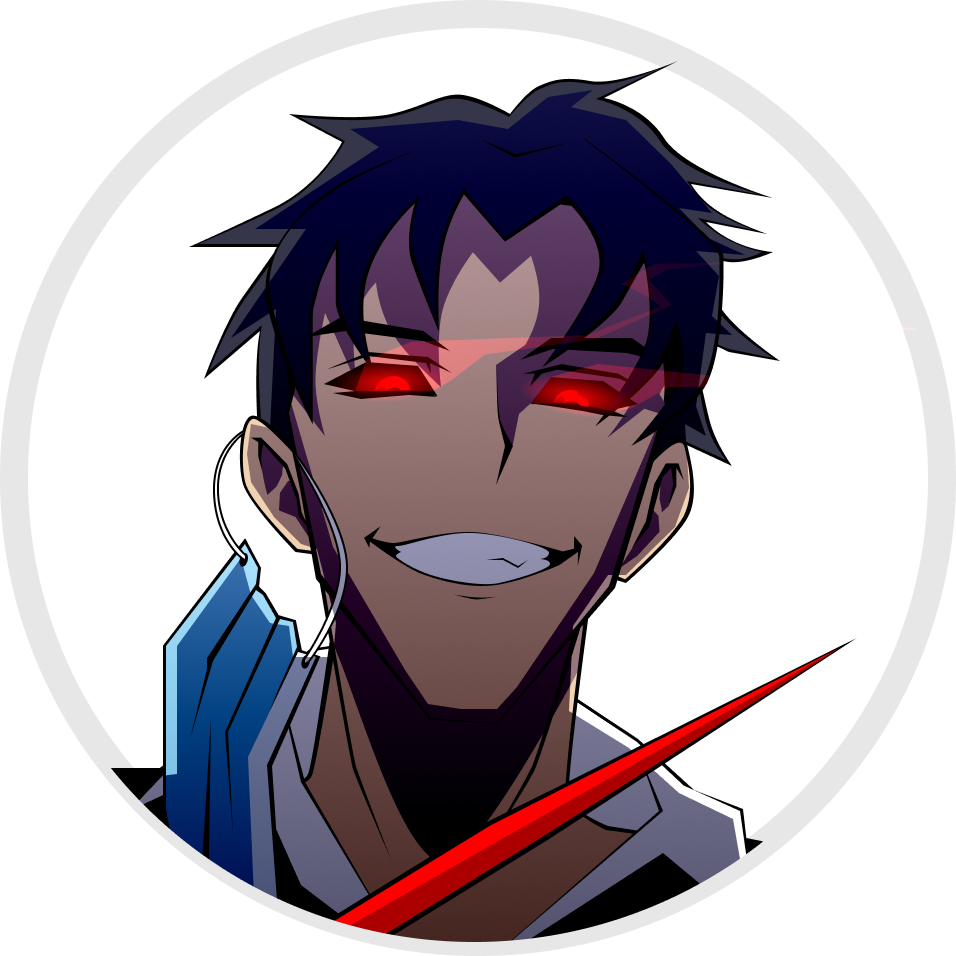
Red, white, blue, and black. Same as Promise and Pandora, in a completely different combination.
Promise rocks red as a flashy external statement (like with his cherry-red sports car.) Volo’s red, on the other hand, glows quietly inside him. Meanwhile, Volo’s blue is the mask he wears on the outside, while Promise’s represents a hidden gleam of electric intensity. Same colors inverted.
COLORS
- Black → natural to him. His hair, eyes, and suit. Classic and refined.
- White → a clean dress shirt. Simplicity and precision.
- Red → a deep glow from within. Hidden will and desire.
- Blue → his mask. A sterile, clinical exterior that creates distance and control.
MOTIF: WHITE, RED AND BLUE
Pandora wields white to look heroic, and Promise wears it to look expensive. On Volo, it’s just an understated part of his outfit.Promise rocks red as a flashy external statement (like with his cherry-red sports car.) Volo’s red, on the other hand, glows quietly inside him. Meanwhile, Volo’s blue is the mask he wears on the outside, while Promise’s represents a hidden gleam of electric intensity. Same colors inverted.
NAME
Volo means “I want” in Latin: desire in the first person, present tense, singular. He lives in the moment, he knows what he feels, and he lives for himself.5. Luden, the cursed.
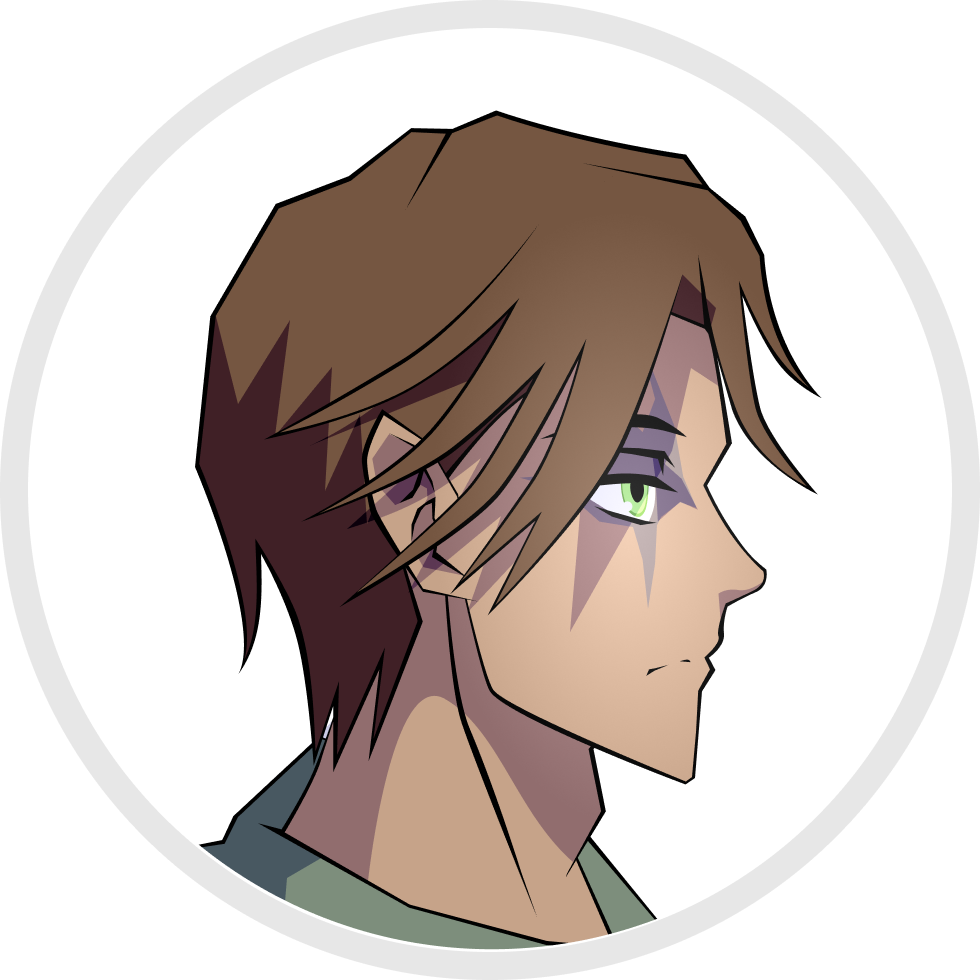
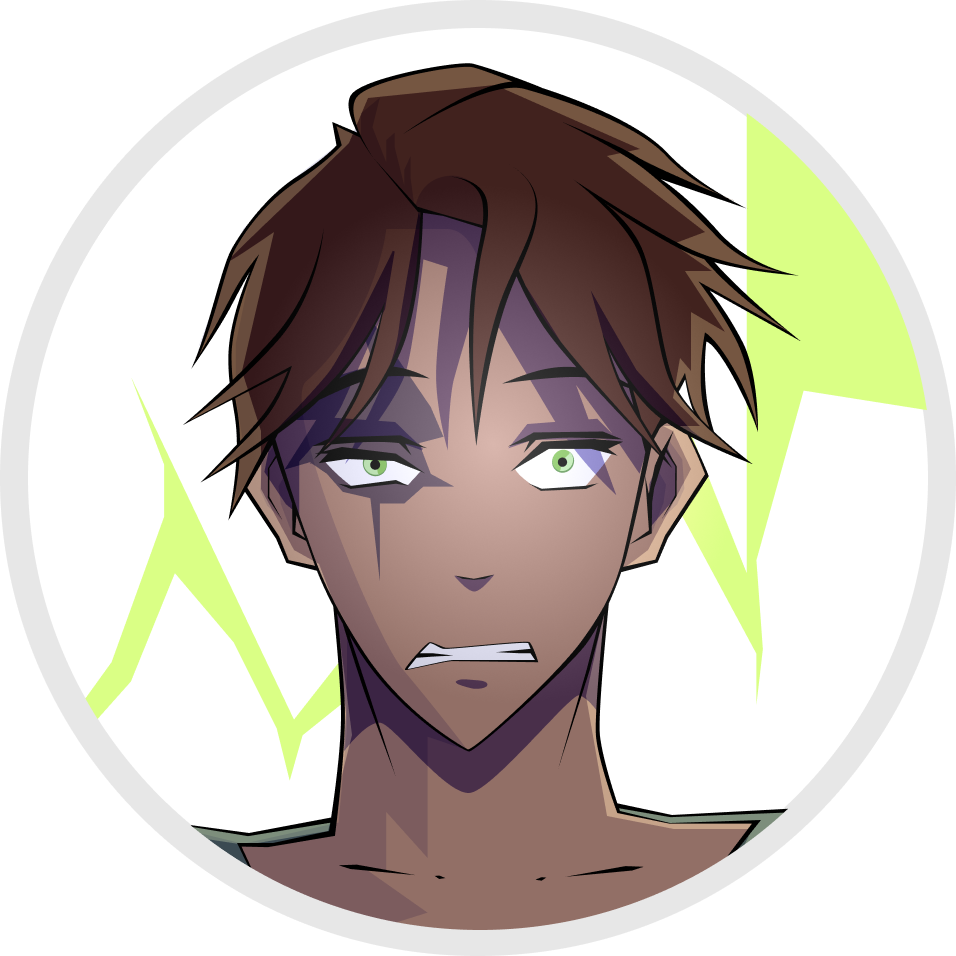
(He's adopted.)
As such, Luden self-identifies as laughably pathetic. He shows up in the wake of disaster: after the Windfall apartment is demolished, the siblings take refuge beside the dumpster he’d claimed as his home. When the Windfall children see how lost Luden is on his own, they become so emboldened in their own skills, they decide to build an empire and fend for themselves instead of seeking rescue.
And why Latin again? Because Latin is a language of a certain kind of modern privilege. Nobody grows up speaking it. It belongs to prep schools, academia, and historic institutions. It’s also the language of Layer One, the Garden of Consciousness. That culture shapes all of its residents, even the abandoned and cursed.
COLORS
- Olive and lime green → out of place in the Windfalls’ palette, until you remember the undertones of the US dollar bill.
- Lime green → also the signature color of his Voidpet, Cringe.
MOTIF: GREEN
Pecunia’s understated green represents money that’s sitting in the bank. Meanwhile, Luden’s lime green belongs to Cringe—a silly gecko-like Voidpet who trips across its own tangled vines. It’s green as legacy, vs. green as the GO signal, green as beginner level, and green as messy, organic life.NAME
“Ludens” is Latin for “playing.” It shares a root with “ludicrous,” meaning laughable or absurd.As such, Luden self-identifies as laughably pathetic. He shows up in the wake of disaster: after the Windfall apartment is demolished, the siblings take refuge beside the dumpster he’d claimed as his home. When the Windfall children see how lost Luden is on his own, they become so emboldened in their own skills, they decide to build an empire and fend for themselves instead of seeking rescue.
And why Latin again? Because Latin is a language of a certain kind of modern privilege. Nobody grows up speaking it. It belongs to prep schools, academia, and historic institutions. It’s also the language of Layer One, the Garden of Consciousness. That culture shapes all of its residents, even the abandoned and cursed.