Duality of Sin
Why sins at all?
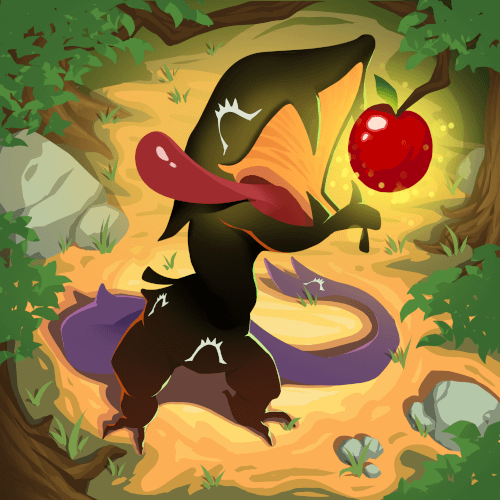
I once felt strongly about not including the Seven Deadly Sins in Voidpet. I specifically wanted to draw a line between emotions and behaviors, and avoid a moralizing stance that would celebrate or condemn.
However, their enduring marketing and design allure pushed me to reconsider. Over the years, I've slowly adjusted our systems to include them in a way that enriches that underlying philosophy instead of undermining it.
Key premises
1. Voidpets are based on linguistic concepts of emotion.
2. We design them around the poetry and aesthetic of each word.
3. Voidpets are owned by humans who may perform sinful behaviors.
4. The sinful behavior may or may not be related to the Voidpet.
So what's the duality?
These premises separate two discrete models of sin: one as a set of behaviors, and another as a set of emotionally charged themes in language and culture.
This sets the stage for fascinating character contrasts. What a characters is internally grappling with may be a vastly different narrative from how are they self identify, or how they are perceived by others.
Between the four Freshmen protagonists and their four villainous (or perhaps anti-hero) counterparts in the Windfall siblings, there exist four unlikely friendships that explore the dual meanings of these sin words. I will now dive into each one.
I. The duality of pride
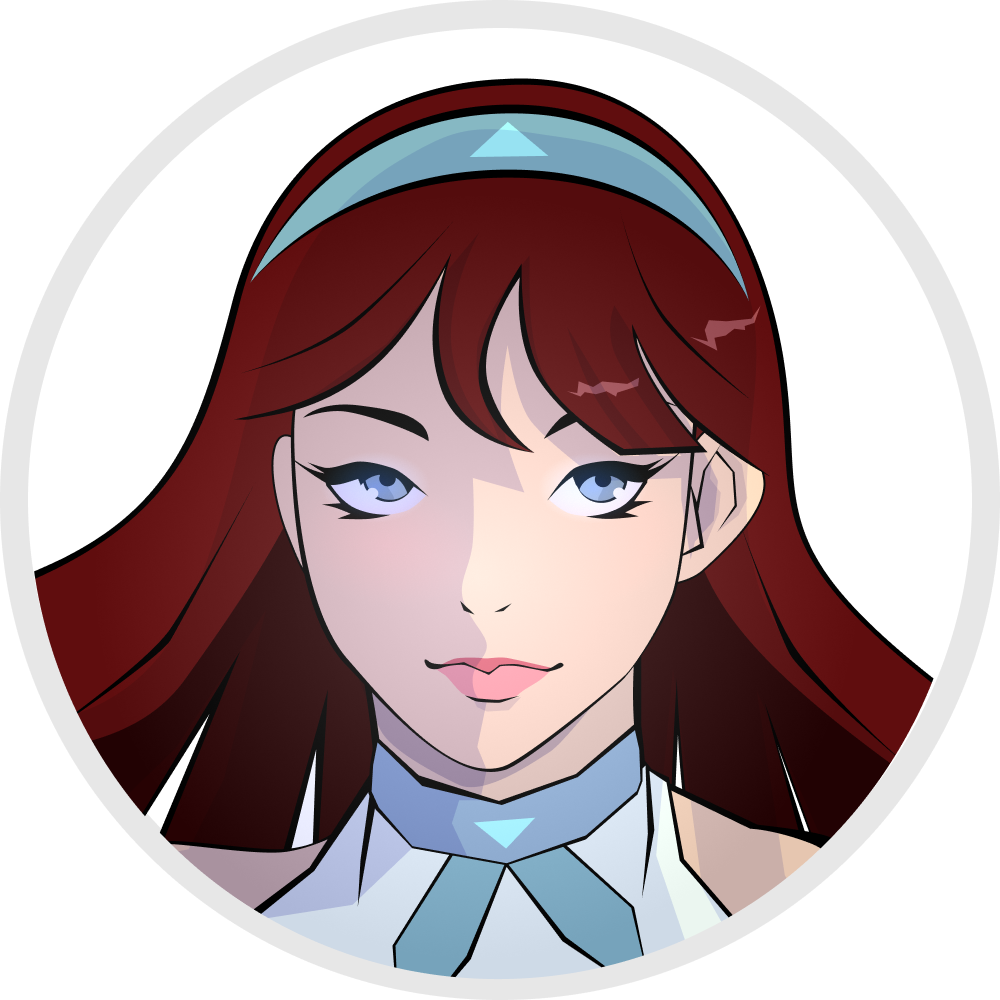
As the owner of a Pride Voidpet, Pandora exhibits pride in the classic, thematic sense. She's a strong leader who doesn't let her weaknesses show. As valedictorian, businesswoman, and big sister, she likes to be in charge, and hates being wrong.
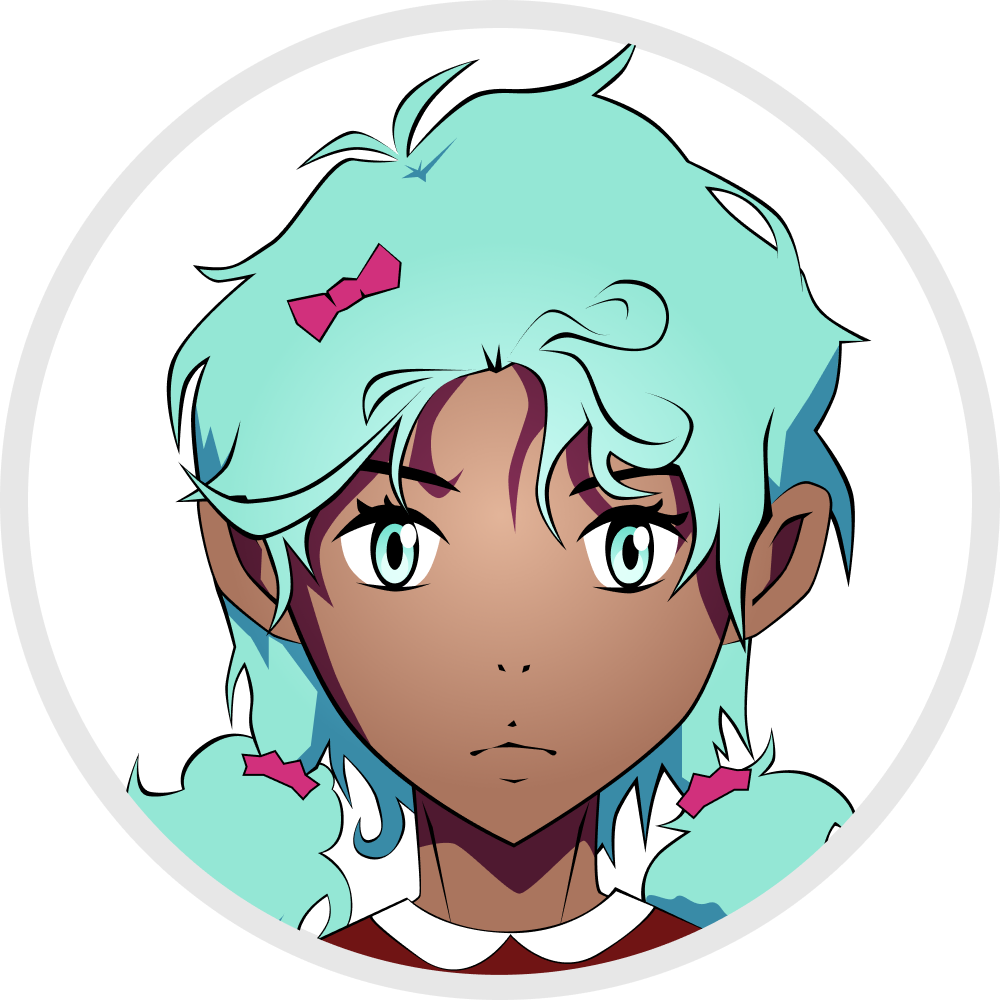
Anxiety may present itself as the opposite of pride, but they are deceptively related. Like Pandora, Hyphen is also the top student of her own class year, and a perfectionist who finishes every paper the day it gets assigned. But her worrisome demeanor belies the same struggle with self image: the image of model friend and student that must be upheld at all costs.
Pandora’s pride is big, legible, and easy to laugh about because it’s expressed as confidence, stubbornness, and a little theatrical superiority. Her siblings recognize it, tease her for it, and she can even acknowledge it without losing face. She wears her sin with self awareness, and it becomes her brand.
Hyphen’s version is the real deadly sin. A sense of self so brittle, the pride can't even be named. Admitting to ambition or self regard feels unsafe, so the only word that fits is anxiety. It dictates how she works, how she navigates friendship, and how she rests. Where Pandora gets the symbolic version of pride—loud, exaggerated, almost fun—Hyphen gets the private version of quiet human folly that consumes her energy and mind.
II. The duality of greed

As a symbol, he is Greed incarnate. Expensive hair, flashy car, gold belt, and fancy skyscraper. Don't forget the greedy corporation. And the fast food chain, McGreedy's. Even his powers scream consumption and consumerism. Who else crafts their void matter into crude oil and designer shades?

Char would be terribly offended to be included in this section-next to his sworn enemy, no less! Sure, he's ambitious. He works super hard, and just wants to get rewarded fairly for all of his effort. But greedy? How could you say such a thing?? The poor guy's just trying to get by like the rest of us. He's only stealing because the world is unfair.
Promise knows he's greedy, so the word becomes theater. Who doesn't like making money and having nice things? But beneath the gold accents lie deeper questions about behavior. Is it greedy to sell something someone wants to buy? What about scaling to serve more people? Or making a purchase with the income? What's so commonly villified in culture is not necessarily a personal vice or emotional struggle.
While Char's Voidpet is Envy, he also grapples with greed as an unnamed sin. He won't admit he wants more than he has, so he wraps it in a narrative of hard work and fairness. That denial keeps him simmering, feeling small, overlooked, and fixated on others as villains in his story. Char steals, lies, and sabotages, yet he still sees himself as the victim. The refusal to name the entitlement distills it into hostility.
III. The duality of sloth
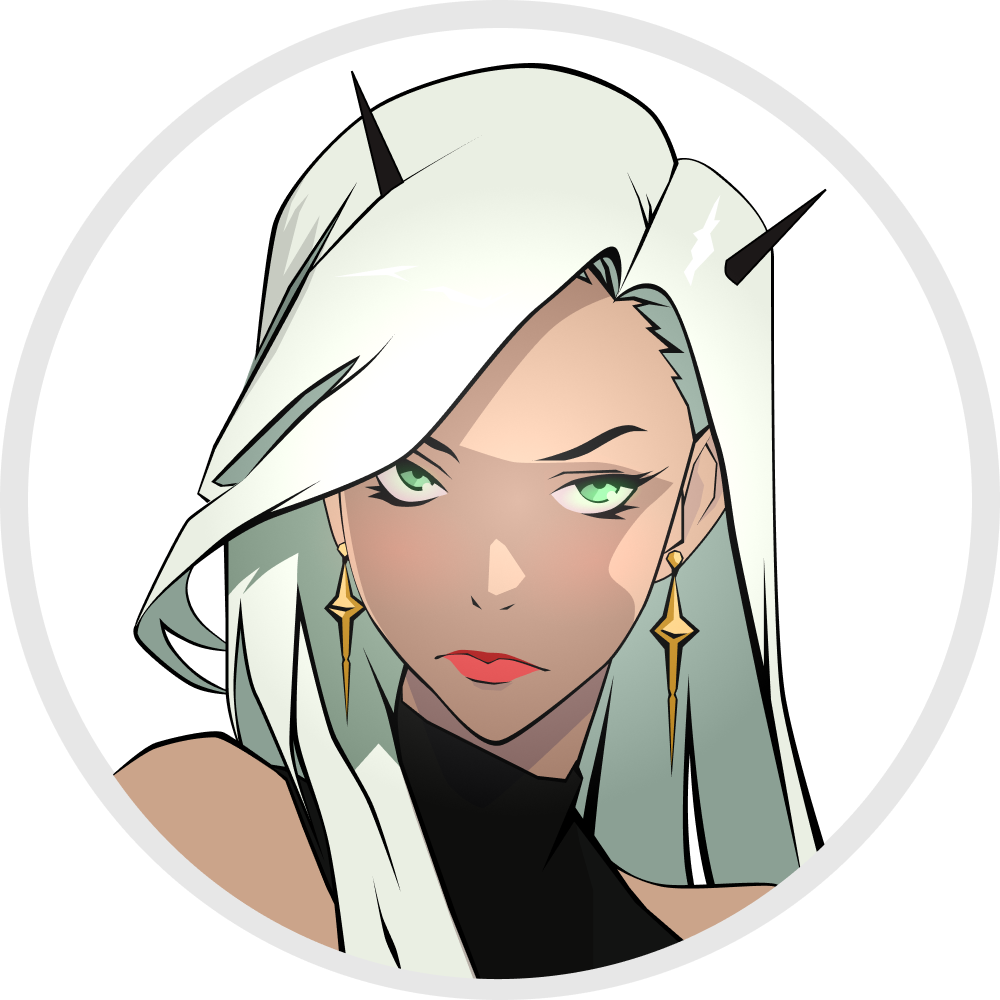
She doesn't have a problem with her laziness–she wins with ease. Whether it's driving a hype bubble, flipping art, or making strategic investments, she manges to grab the biggest bag with the least amount of effort. Pecunia knows motivation is a a finite resource, and she uses it wisely.
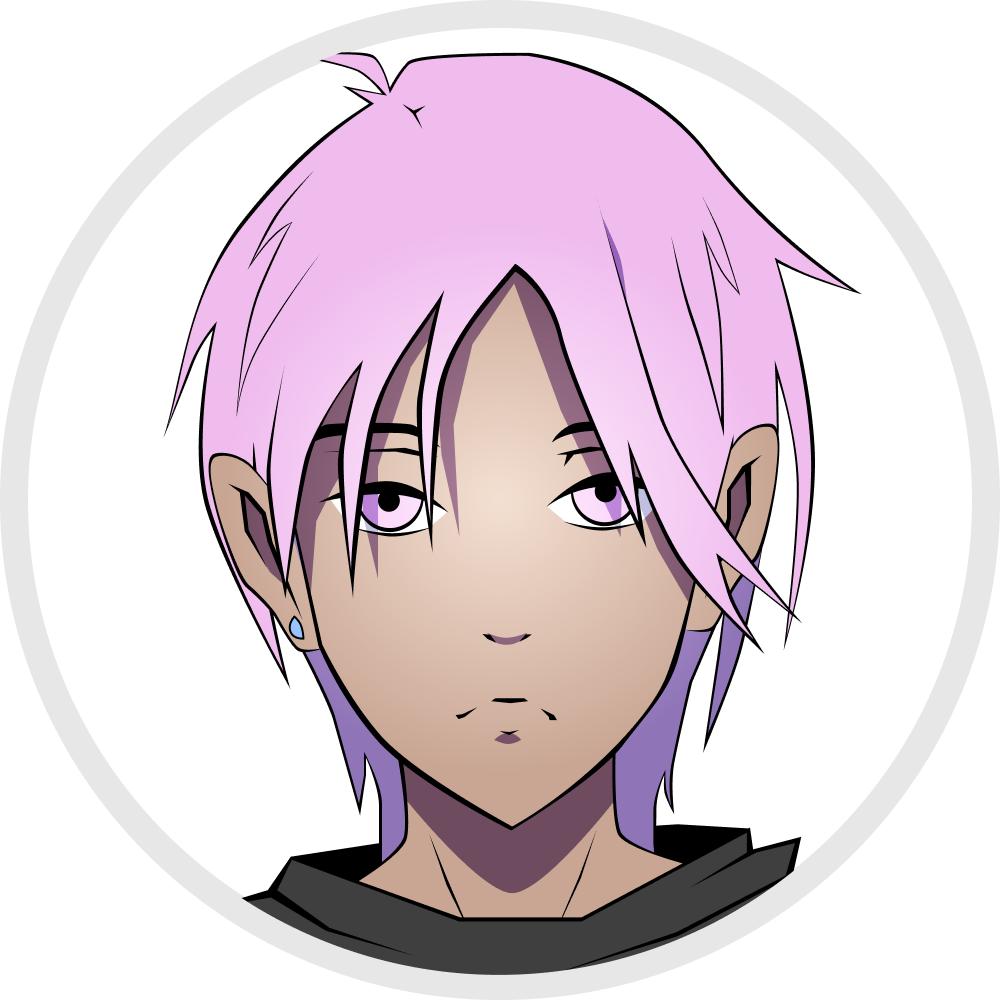
For this young artist, the quiet struggle of overwhelm is classifed as sadness. He can't get out of bed in time for class. He misses out on training and is unable to hold his own in battle. He can't finish his artwork or find a job. When he finally sees breakout success on a "lazy" painting, he feels like a fraud.
Here, the duality takes on a different shape. While pride and greed can fester behind denial, sloth flounders as a function of unmet expectations. Alt is well aware of his struggle—he can see his attendance record and all his unfinished artwork. But his mental state spirals into depression because every lapse shrinks his sense of capability.
Pecunia on the other hand, happily allocates her limited energy in a way that reinforces her identity as a winner. She enjoys the satisfaction of a clever shortcut. Of working smarter not harder. Every win cements her belief that she’s powerful even with selective effort.
All humans have limited energy. But what makes sloth deadly is when those human limits harden into a story about the self, collapsing into hopelessness and disengagement instead of rest. A reminder that sins are universal, personal challenges rather than character failures.
IV. The duality of lust

Here, we see classic, visceral lust take the shape of restraint. Hiding behind a mask, Volo channels his energy into martial arts, medicine, and hosting elegant philanthrophy events. Meanwhile, his red eyes and floating stingers channel the imagery of lust's intense and predatory subtext.
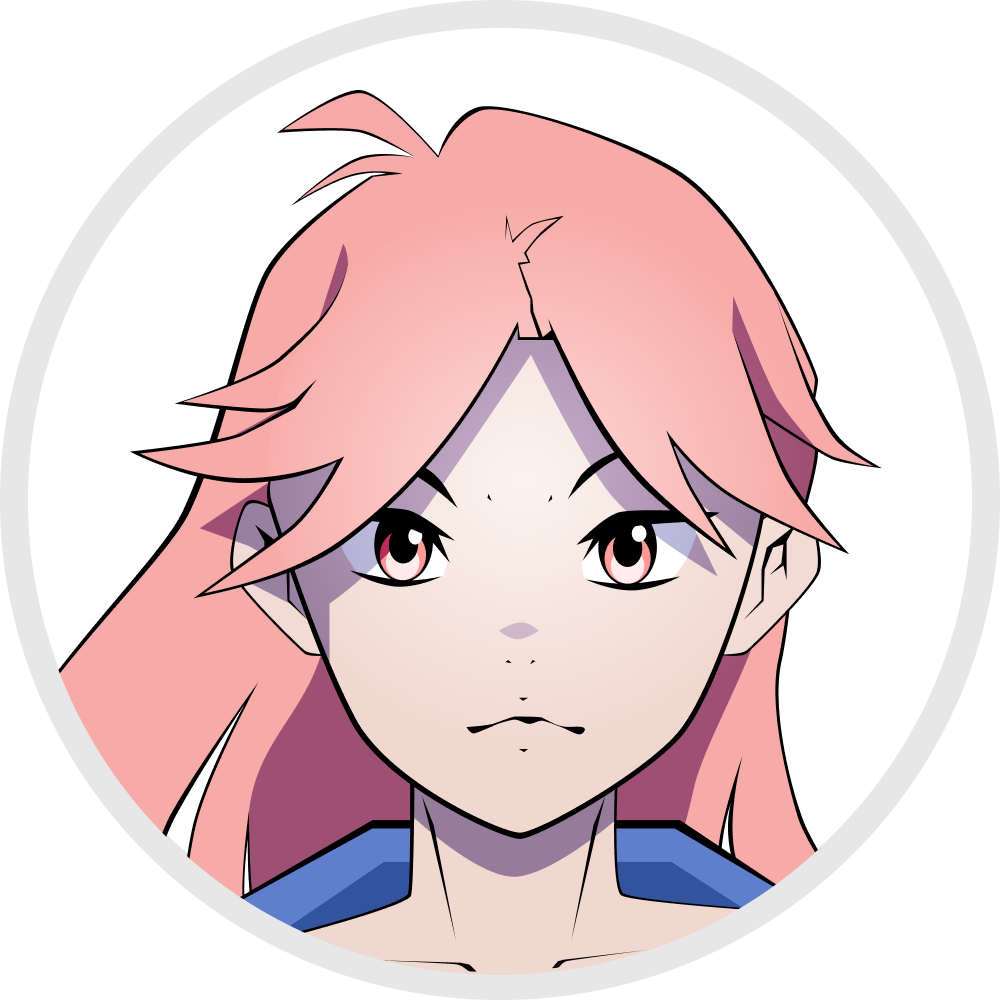
As a fiesty, pink haired, freshman girl, Tilde is a far cry from the image of lust. Naturally so, since her Voidpet is Anger. However, her character shares the same passion for physical domiance, freedom, and affection that Volo keeps on a tight leash. She likes to punch, tackle, hug, and breathe fire out of that very same visceral drive.
As not to exclude general audiences, our exploration of lust will remain measured and metaphorical. As such, the duality for Tilde and Volo is best examined through their mutual love of combat. An intensity of physical will.
Tilde will often rush into fights out of misunderstanding, or cause accidental destruction with Anger's fire breath. Her hands-on nature compels her to brawl first, ask questions later, and often manifests as aggression. While Anger is the Voidpet that best captures her struggle, her behavior is governed by an underlying lust for action that fuels her impulses. Tilde's sin is neither labelled nor contained, but fortunately for her, her actions are mostly percieved as warm and well intentioned.
Volo on the other hand is percieved as suspicious and dangerous by default. He is acutely aware of this, and prioritizes a safe appearance. A formal suit disguises his impulse to brawl, while charity and hospital work conceal conquest and carnage. While Tilde's version of the sin is hardly visible in plain sight, Volo's is so conspicuous, he spares no effort to keep it under wraps.
Legendary species
In the games and books, obtaining a sin Voidpet is a legendary because it means you can see your flaw instead of being steered by it. That doesn't mean the owner is without sin, of course. Simply that they have enough awareness to hold it.Across these comparisons, there is humanity and depth in both interpretations. One is stylized, playful, and full of drama-but also takes strength to swallow as indictment of character. The other is a quiet coping pattern shaped by unmet needs, which provides emotional comfort at the expense of growth.
The Windfalls give us the theatrical, aesthetic shorthand for each sin. They tap into our satisfaction of seeing someone else personify the label, while the characters themselves are left to confront what those words say about them.
Meanwhile, the seemingly harmless and relatable freshmen are often the ones wrestling with the real thing in ways that don’t look like sin at all. They're insulated from judgement because their feelings are so familiar, but they're dealing with their own demons nonetheless.
As always with Voidpet, I'm glad that thinking through something as simple as a character naming system has been able to brook these fascinating rivulets of thought.